Close Menu
    Facebook X (Twitter) Instagram
    • Privacy Policy
    • Terms Of Service
    • Social Media Disclaimer
    • DMCA Compliance
    • Anti-Spam Policy
    Facebook X (Twitter) Instagram
    Fintech Fetch
    • Home
    • Crypto News
      • Bitcoin
      • Ethereum
      • Altcoins
      • Blockchain
      • DeFi
    • AI News
    • Stock News
    • Learn
      • AI for Beginners
      • AI Tips
      • Make Money with AI
    • Reviews
    • Tools
      • Best AI Tools
      • Crypto Market Cap List
      • Stock Market Overview
      • Market Heatmap
    • Contact
    Fintech Fetch
    Home»Crypto News»Bitcoin»From Stripe to Bitcoin: Card Fraud Case Results in Jail Time
    From Stripe to Bitcoin: Card Fraud Case Ends in Prison Sentence
    Bitcoin

    From Stripe to Bitcoin: Card Fraud Case Results in Jail Time

    October 26, 20263 Mins Read
    Share
    Facebook Twitter LinkedIn Pinterest Email
    changelly

    Key Takeaways


    • Wadsworth received 51 months in prison and owes $810,965.19 in restitution.

    • Unauthorized Stripe payments initially generated more than $730,000.

    • Bank transfers funded Coinbase bitcoin purchases sent to co-conspirators.

    Unauthorized Card Payments Funded Bitcoin Transfers

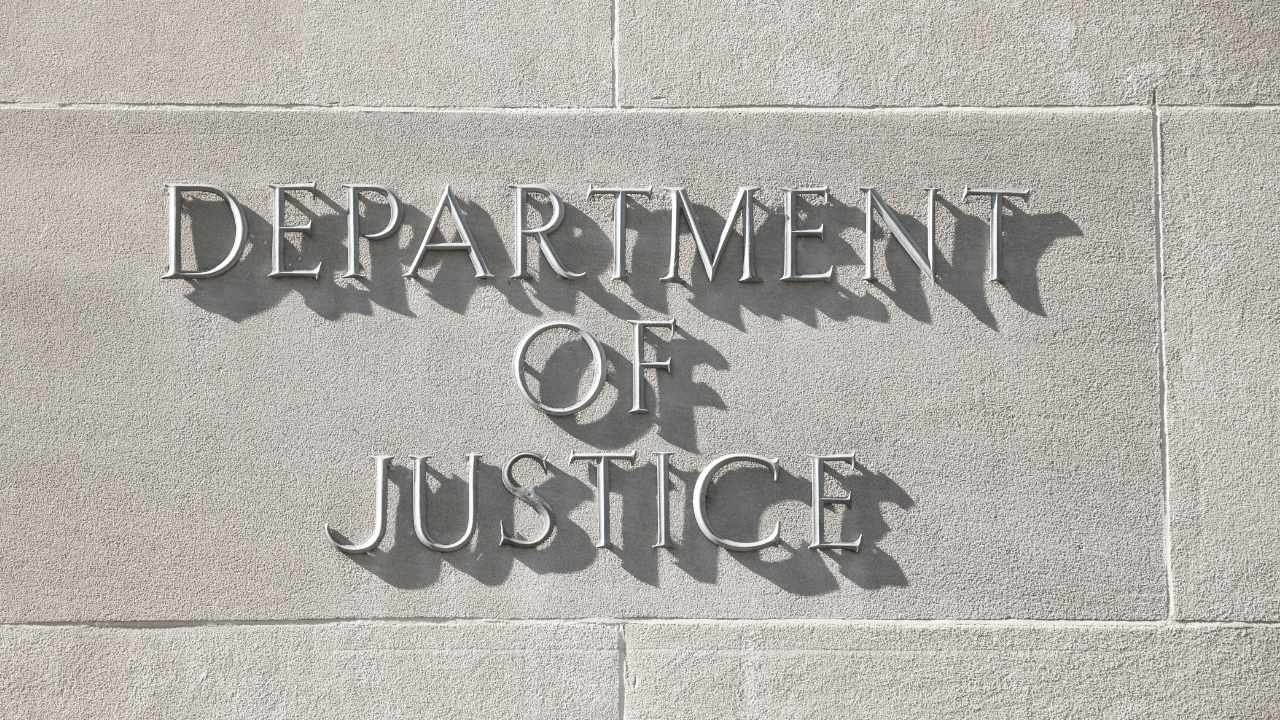
    A scheme that converted unauthorized card payments into bitcoin has resulted in a 51-month federal prison sentence. The Department of Justice (DOJ) announced the sentence and restitution order on Oct. 23 for Timothy Wadsworth, 35, of Rochester, New York, following his conviction for conspiracy to commit wire fraud and money laundering.

    Using account numbers supplied by co-conspirators, Wadsworth attempted 310 payments totaling $1,673,578 through Stripe, which processes card payments for businesses. Between March 10 and May 15, 2020, 116 initially succeeded, totaling $730,728.22. The department stated:

    “The account holders did not authorize the transactions.”

    His guilty plea to conspiracy to commit wire fraud and money laundering documented transfers from Stripe to accounts he controlled at HSBC, an international bank, and Evolve Federal Credit Union, a member-owned financial institution. From there, he moved a portion of the money to Coinbase.

    Through crypto exchange Coinbase (Nasdaq: COIN), Wadsworth purchased bitcoin and sent it to co-conspirators. These bitcoin transfers to external addresses record changes in control of funds on the network’s public ledger. Transactions in the payment-to-crypto sequence often exceeded $10,000.

    kraken

    Restitution and Forfeiture Follow Multiple Fraud Schemes

    U.S. District Judge Frank P. Geraci Jr. ordered Wadsworth to pay $810,965.19 in restitution and forfeit $810,956.19 in wire fraud proceeds. His schemes from March 2020 through September 2021 involved approximately $2.06 million in combined actual and intended losses.

    False applications generated $161,200 through the Economic Injury Disaster Loan program, which supported businesses’ operating expenses during the pandemic. Two Paycheck Protection Program loans, intended to support payroll and other eligible expenses, paid $20,833 and $20,416. He also fraudulently received approximately $65,896 in unemployment benefits.

    A separate romance scheme directed a recently widowed woman’s $42,000 wire payment into Wadsworth’s account in March 2020. Someone posing as an oil rig worker had requested travel money. Six other victims lost $26,000 through his schemes.

    Other Cases Connect Conventional Payments With Crypto

    Earlier prosecutions have also traced conventional fraud proceeds into cryptocurrency purchases, including a British voucher fraud case reported in 2021. A teenager bought cryptocurrency with proceeds from a counterfeit shopping website; police later seized more than 48 bitcoin.

    Federal warnings about government impersonation payment schemes describe another route involving cryptocurrency ATMs, bank wires, and cash couriers. Scammers posing as officials induce victims to move funds under false claims that their money needs protection.

    An Oct. 21 sentencing involving bank accounts and cryptocurrency laundering concerned approximately $14.5 million in drug proceeds converted into USDT, a dollar-linked stablecoin. Intermediaries exchanged tokens for dollars routed through U.S. shell companies to Colombia.

    notion
    Share. Facebook Twitter Pinterest LinkedIn Tumblr Email
    Fintech Fetch Editorial Team
    • Website

    Related Posts

    Oil, AI Credit Stress, and Bitcoin: QCP Flags a Dangerous Macro Mix for Risk Assets

    Oil, AI Credit Strain, and Bitcoin: QCP Highlights a Risky Macro Combination for Investment Assets

    October 25, 2026
    Cointelegraph

    Bitcoin Value Remains Depressed as Asian Markets Struggle Amid AI Concerns

    October 25, 2026
    McRib Is Back, and Bitcoin's Weirdest Bullish Indicator Lives On

    McRib Returns, While Bitcoin’s Strangest Bullish Signal Persists

    October 24, 2026
    Cointelegraph

    Bitcoin Must Regain 50-Day Trendline as Oil Prices Soar Again

    October 24, 2026
    Add A Comment

    Comments are closed.

    Join our email newsletter and get news & updates into your inbox for free.


    Privacy Policy

    Thanks! We sent confirmation message to your inbox.

    kraken
    Latest Posts
    How I Built an AI Trading Bot with Codex AI Automation (Online Income with Crypto Live Trading)

    How I Built an AI Trading Bot with Codex AI Automation (Online Income with Crypto Live Trading)

    October 26, 2026
    From Stripe to Bitcoin: Card Fraud Case Ends in Prison Sentence

    From Stripe to Bitcoin: Card Fraud Case Results in Jail Time

    October 26, 2026
    (Official) Microsoft Free Artificial Intelligence Certification Course | AI Engineer Courses

    (Official) Microsoft Free Artificial Intelligence Certification Course | AI Engineer Courses

    October 26, 2026
    10 Common AI Mistakes Beginners Make And How to Fix Them

    10 Common AI Mistakes Beginners Make And How to Fix Them

    October 26, 2026
    Oil, AI Credit Stress, and Bitcoin: QCP Flags a Dangerous Macro Mix for Risk Assets

    Oil, AI Credit Strain, and Bitcoin: QCP Highlights a Risky Macro Combination for Investment Assets

    October 25, 2026
    binance
    LEGAL INFORMATION
    • Privacy Policy
    • Terms Of Service
    • Social Media Disclaimer
    • DMCA Compliance
    • Anti-Spam Policy
    Top Insights
    Myriad: Which company will IPO next? Click to make your prediction.

    Wells Fargo, Cisco, Intuit, and Six Other Companies Raise Concerns About Tokenized Stocks

    October 26, 2026
    Editorial collage showing a female FCA inspector examining a man's crypto wallet, with fingerprint records and Westminster in the background.

    FCA Suggests Voluntary Guidelines on Personal-Wallet Checks

    October 26, 2026
    ledger
    Facebook X (Twitter) Instagram Pinterest
    © 2026 FintechFetch.com - All rights reserved.

    Type above and press Enter to search. Press Esc to cancel.