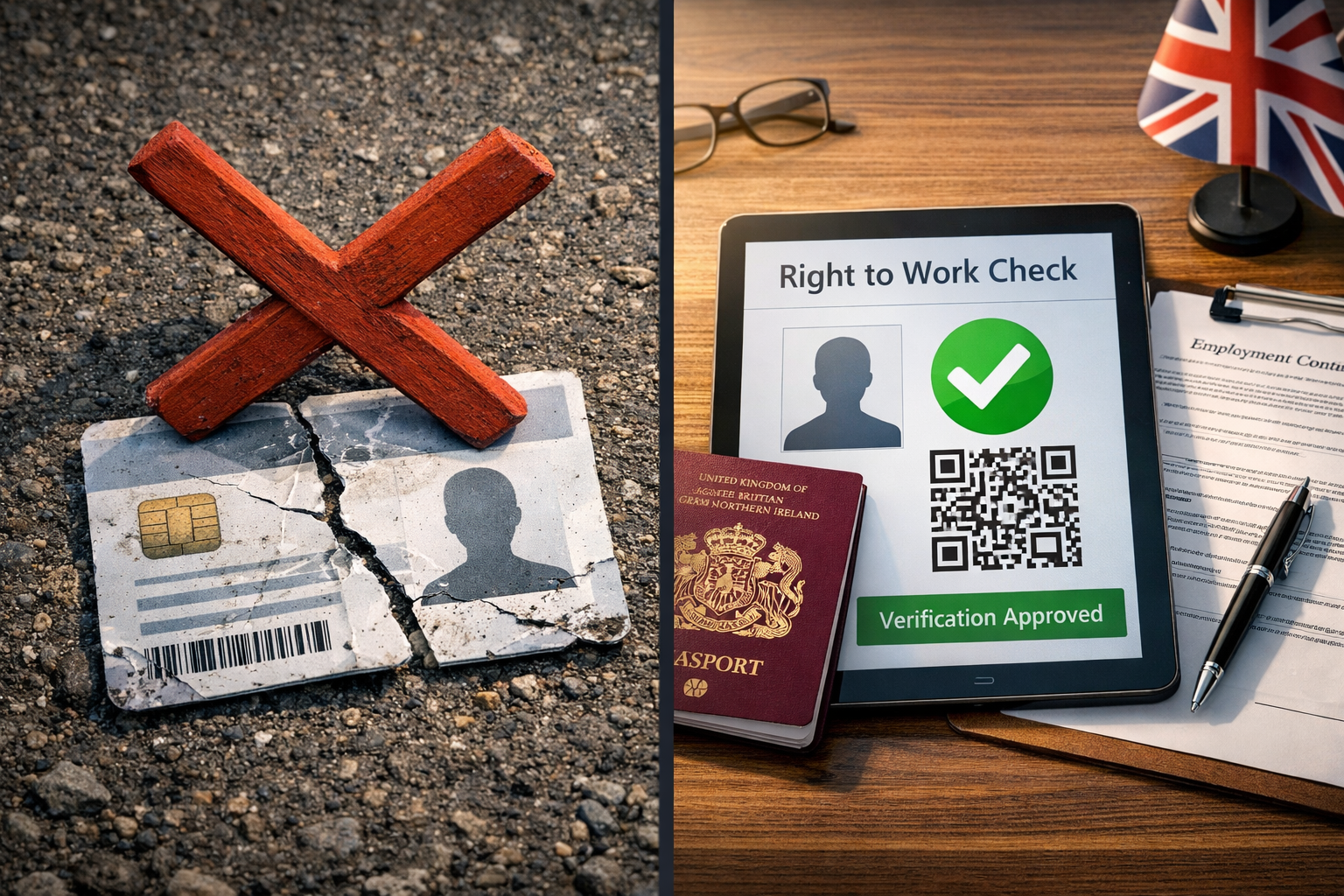

- Almost three million people signed a parliamentary petition opposing mandatory digital ID cards.
- Digital right-to-work checks will remain mandatory under the updated policy approach.
- The UK digital ID scheme, expected around 2029, will be offered as optional alongside electronic alternatives.
The UK government, led by Prime Minister Keir Starmer, has dropped plans to make a centralised digital ID mandatory for workers, stepping back from a proposal that would have changed how employees prove their right to work.
Under the original plan, workers would have been required to use a government-issued digital credential, rather than relying on traditional documents such as passports.
The reversal follows months of criticism from politicians and civil liberties campaigners, as well as a large-scale public response that questioned whether employment access should depend on one centralised system.
Critics warn of surveillance and data security risks
The mandatory digital ID proposal drew backlash from opponents across the political spectrum, including UK Member of Parliament Rupert Lowe and Reform UK leader Nigel Farage.

Civil liberties groups and campaigners also raised concerns about how a centralised identifier could be used over time.
Opponents warned it could lead to an “Orwellian nightmare” by giving the state a stronger ability to monitor citizens.
Another major fear was that centralising sensitive personal data could create a single “honeypot” vulnerable to hacking and misuse.
Critics also pointed to the risk of mission creep, where a scheme launched for employment checks could gradually expand into other areas, including housing, banking, and voting.
Petition pressure forces a policy climbdown
Public resistance to mandatory digital ID became visible through formal political channels.
Almost three million people signed a parliamentary petition opposing digital ID cards, making the issue difficult for ministers to ignore.
Lowe celebrated the policy shift in a video posted on X, saying he was off for “a very large drink to celebrate the demise of mandatory Digital ID”.
Farage also backed the rollback, calling it “a victory for individual liberty against a ghastly, authoritarian government”.
Digital right-to-work checks stay mandatory from government
Despite dropping plans for a mandatory digital ID credential, officials say digital right-to-work checks will remain mandatory.
That means the government is still committed to keeping employment verification in a digital process, even if it is no longer built around a single government ID system.
When the UK’s digital ID scheme launches around 2029, it is now expected to be optional rather than compulsory.
Instead of becoming the only approved route for proving work eligibility, it will be offered alongside alternative electronic documentation.
Digital euro, EU identity, and crypto privacy debates return
The UK’s partial rollback is also feeding into wider debates about digital control systems, including central bank digital currencies and the European Central Bank’s digital euro project.
In those discussions, civil society groups and some lawmakers have argued for strict privacy guarantees rather than systems that could allow broad traceability.
At the same time, the European Union is moving ahead with its own digital identity framework and digital euro work, while exploring privacy-preserving designs.
One approach includes using zero-knowledge proofs, allowing citizens to prove attributes such as age or residency without revealing their full personal information.
These designs connect to decentralised identity tools and privacy-preserving blockchain technologies, including zero-knowledge credential systems and privacy-enhancing smart contract structures.
The aim is to support compliance while minimising how much personal data is exposed or stored in one place.
Privacy-focused crypto tools have also remained in focus, including privacy coins such as Zcash (ZEC) and Monero (XMR), alongside decentralised identity protocols.
Interest in these tools has continued as regulators step up scrutiny of DeFi and explore identity checks for self-hosted wallets.
The US Treasury’s proposed DeFi ID framework, alongside renewed attention on privacy tokens, shows how policymakers are testing stronger Anti-Money Laundering and Know Your Customer controls on-chain, even as builders push alternative designs.