Close Menu
    Facebook X (Twitter) Instagram
    • Privacy Policy
    • Terms Of Service
    • Social Media Disclaimer
    • DMCA Compliance
    • Anti-Spam Policy
    Facebook X (Twitter) Instagram
    Fintech Fetch
    • Home
    • Crypto News
      • Bitcoin
      • Ethereum
      • Altcoins
      • Blockchain
      • DeFi
    • AI News
    • Stock News
    • Learn
      • AI for Beginners
      • AI Tips
      • Make Money with AI
    • Reviews
    • Tools
      • Best AI Tools
      • Crypto Market Cap List
      • Stock Market Overview
      • Market Heatmap
    • Contact
    Fintech Fetch
    Home»Crypto News»Ethereum»Vitalik Buterin Suggests AI-Driven Overhaul of DAOs to Address Ethereum Governance Issues
    Vitalik Buterin Profile
    Ethereum

    Vitalik Buterin Suggests AI-Driven Overhaul of DAOs to Address Ethereum Governance Issues

    January 19, 20263 Mins Read
    Share
    Facebook Twitter LinkedIn Pinterest Email
    changelly

    TLDR:

    • Current token-based oracle designs cannot secure assets beyond their market cap without extracting excessive rent from users.
    • Buterin’s convex-concave framework distinguishes problems requiring compromise from those needing decisive leadership.
    • Zero-knowledge proofs and AI assistants can address privacy deficits and decision fatigue plaguing DAO participation.
    • Communication platforms deserve equal priority with technical infrastructure in next-generation DAO architecture design.

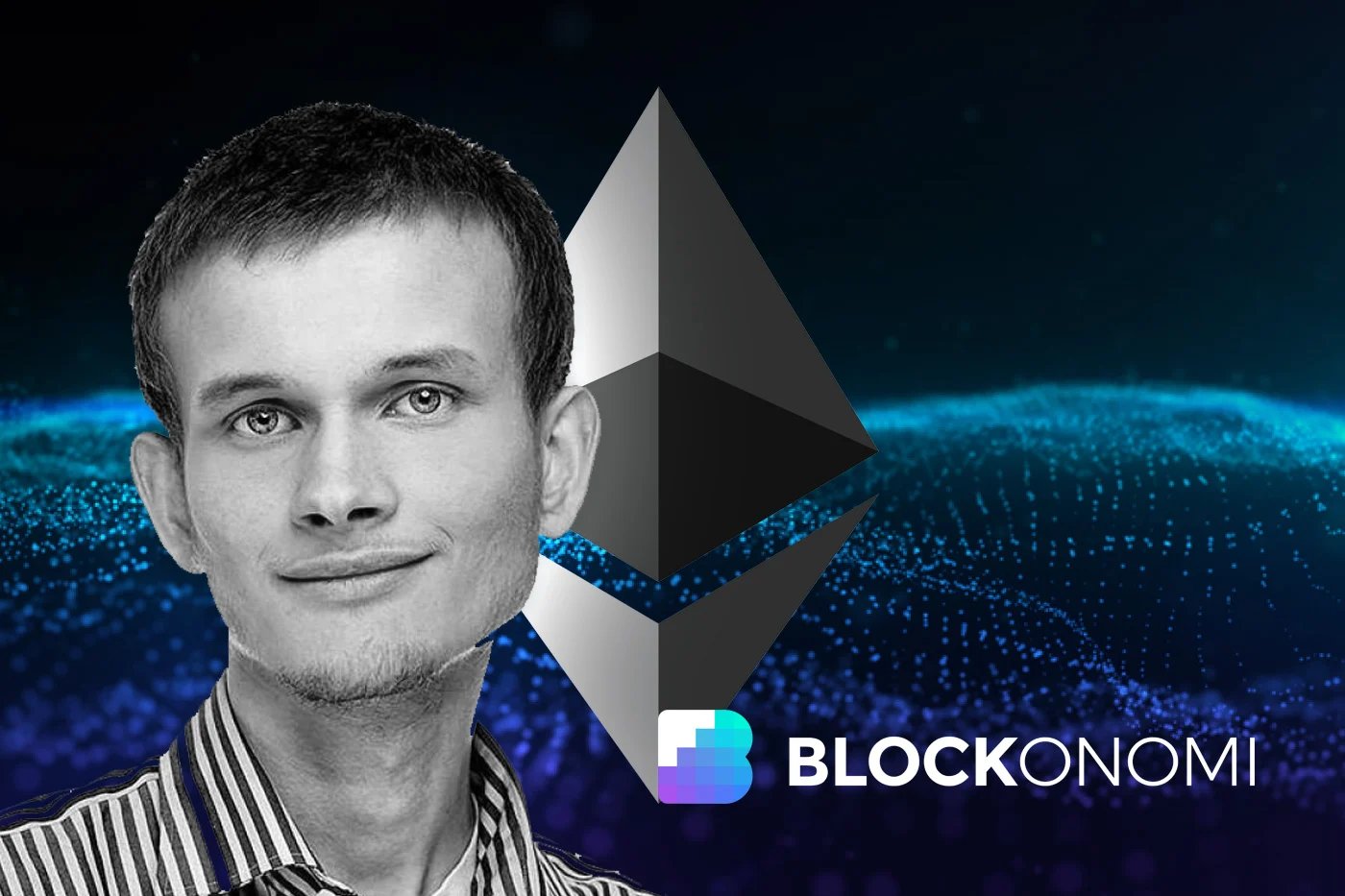
    Ethereum co-founder Vitalik Buterin has outlined a vision for transforming decentralized autonomous organizations through advanced technology.

    In a recent statement, he argued that current DAO structures fall short of their original promise. Buterin emphasized the need for privacy tools and artificial intelligence to address fundamental governance challenges.

    Critical Infrastructure Requires Better DAO Frameworks

    Buterin identified several areas where improved DAOs are essential for blockchain ecosystem development.

    Oracle systems for decentralized stablecoins and prediction markets remain vulnerable to manipulation by large token holders.

    Current token-based oracle designs cannot secure assets effectively without extracting excessive rent from users. The market cap limitation means the cost of attacking these systems stays relatively low.

    aistudios

    Dispute resolution mechanisms for advanced smart contracts also need better DAO structures. Insurance applications and similar use cases require subjective judgment that current systems cannot provide reliably.

    The challenge extends beyond technical solutions to social coordination problems that existing governance models fail to address.

    List maintenance represents another critical function requiring robust DAO oversight. Communities need trusted registries of secure applications, canonical interfaces, and verified token addresses.

    These seemingly mundane tasks form the foundation of user safety and ecosystem interoperability.

    Convex and Concave Problem Framework Shapes DAO Design

    Buterin introduced a framework distinguishing between convex and concave problems to guide DAO architecture decisions. Concave problems benefit from compromise solutions that average input from multiple sources.

    We need more DAOs – but different and better DAOs.

    The original drive to build Ethereum was heavily inspired by decentralized autonomous organizations: systems of code and rules that lived on decentralized networks that could manage resources and direct activity, more…

    — vitalik.eth (@VitalikButerin) January 19, 2026

    These situations demand systems that resist capture attempts and financial attacks through robust design.

    Convex problems require decisive action and clear leadership to achieve optimal outcomes. In these cases, decentralized processes should focus on accountability rather than direct decision-making.

    The framework suggests different governance structures suit different types of organizational challenges.

    Project funding and maintenance exemplify areas where traditional corporate structures prove inefficient.

    Short-duration initiatives may not justify legal entity formation costs. Long-term maintenance after original teams depart requires sustainable community coordination mechanisms.

    Privacy and AI Integration Address Governance Limitations

    Two fundamental problems plague current DAO implementations according to Buterin’s analysis. Privacy deficits transform governance into social games where participants optimize for reputation over sound decisions.

    Decision fatigue causes participation rates to decline as members face constant voting requirements.

    Zero-knowledge proofs offer privacy solutions that can shield governance processes from social manipulation.

    Buterin suggested multi-party computation and fully homomorphic encryption for specific use cases where ZK alone proves insufficient. These cryptographic tools enable confidential yet verifiable decision-making.

    Artificial intelligence should augment rather than replace human judgment in governance systems.

    Buterin warned against deploying large language models as autonomous decision-makers. Instead, AI tools should scale human intention through individual-level assistants or platform-level consensus mechanisms.

    The communication layer deserves equal attention with technical governance infrastructure in successful DAO design.

    bybit
    Share. Facebook Twitter Pinterest LinkedIn Tumblr Email
    Fintech Fetch Editorial Team
    • Website

    Related Posts

    Vitalik Buterin Profile

    Vitalik Buterin Advocates for Advancing Ethereum’s L2 Strategy as the Base Layer Expands

    February 3, 2026
    BitMine $7B Paper Loss, Crypto Crash Pressures ETH Treasuries

    BitMine Faces $7B Loss as Crypto Market Decline Affects ETH Reserves

    February 2, 2026
    BitMine Faces $6 Billion Unrealized Loss on 4.24M ETH Amid Continued Strategic Accumulation

    BitMine Encounters $6 Billion Potential Loss on 4.24 Million ETH While Persisting in Strategic Accumulation

    February 1, 2026
    BitMine Faces $6B Unrealized Ether Loss as Crypto Sell-Off Deepens

    BitMine Encounters $6B Ether Loss as Crypto Market Decline Intensifies

    January 31, 2026
    Add A Comment

    Comments are closed.

    Join our email newsletter and get news & updates into your inbox for free.


    Privacy Policy

    Thanks! We sent confirmation message to your inbox.

    kraken
    Latest Posts
    Nearing Retirement? 4 Ways to Catch Up on Savings if You're Behind.

    Approaching Retirement? 4 Strategies to Boost Your Savings if You’re Lagging.

    February 3, 2026
    Qwen Team Releases Qwen3-Coder-Next: An Open-Weight Language Model Designed Specifically for Coding Agents and Local Development

    Qwen Team Releases Qwen3-Coder-Next: An Open-Weight Language Model Designed Specifically for Coding Agents and Local Development

    February 3, 2026
    How To Build An AI Business For $1 In 2026

    How To Build An AI Business For $1 In 2026

    February 3, 2026
    How to Make Animated Cartoon videos with AI (Full Course)

    How to Make Animated Cartoon videos with AI (Full Course)

    February 3, 2026
    How to Use AI to Make Money, Save Time, and Be More Productive

    How to Use AI to Make Money, Save Time, and Be More Productive

    February 3, 2026
    Customgpt
    LEGAL INFORMATION
    • Privacy Policy
    • Terms Of Service
    • Social Media Disclaimer
    • DMCA Compliance
    • Anti-Spam Policy
    Top Insights
    How World Liberty’s $3.4B USD1 Stablecoin Powers Onchain Lending Markets

    How World Liberty’s $3.4B USD1 Stablecoin Powers Onchain Lending Markets

    February 4, 2026
    Solana (SOL) Hovers Near $100 as Long-Term Holders Pull Back — Downside Risk Builds

    Why These Three Altcoins Could Cause Significant Liquidations This Week

    February 3, 2026
    kraken
    Facebook X (Twitter) Instagram Pinterest
    © 2026 FintechFetch.com - All rights reserved.

    Type above and press Enter to search. Press Esc to cancel.